
Why am I choosing this plant?
It has a slightly nutty flavour, it is a versatile vegetable either raw or cooked and it is a real talking point with the unusually fractal shaped heads.
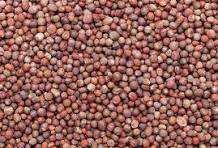
Storing your seed
Store in a cool, dark, stable environment, ideally between 32-41°F (0-5°C), such as a refrigerator or cool basement, to maintain viability for up to five years. Keeping the seed in the coolest place possible and in a low humidity environment will ensure your seed stays fresh for longer. Avoid areas that are prone to heating and cooling cycles.
Growing Conditions
Full sun
10-18C (50-64F)
Keep moist
45-60cm or 18-24 inches apart)
Prefers fertile, well drained soil but will grow in loamy, sandy or clay soil as long as there is organic matter available.
If you have a dig system add in organic matter a few months prior to planting to allow it time to incorporate into the soil, if you have a no dig system, then work with your yearly (or regular) surface mulch
Soil PH preferred 6.0 – 7.0 – Add lime to amend soil PH and to deter club root.
If planting in rotation, plant after nitrogen fixing legumes.
When and how to sow
UNDER COVER: From February onward, under cover, sow the seeds thinly in seeds trays , or two seeds per cell in modules under glass at 13°C (55F).
Ensure soil is moist prior to sowing. Gently press the seeds onto the soil, by hand or with a tamping tool to ensure good contact with the compost. Cover with a fine layer of compost or seed vermiculite, and water again.
OUTDOORS: Sow between April to May, thinly in a well prepared seed bed, in shallow drills 2cm (3/4″) deep in short rows. Rows should be 60cm (24″) apart. Cover and lightly water the seed in, keep the seed bed moist and don’t allow to dry out.
Brassicas are generally fairly fast to germinate if the temperature is right, and they have the correct moisture levels.
Seedling care
Outdoors : Thin out unwanted and weak plants, aiming to have a 60cm (24″) spacing between plants. Keep plants moist to ensure steady growth.
Indoors : If started in modules, when roots are starting to fill the module, move on to a larger pot. 7cm round/square is normally a good size for individual plants. When plants have 2-3 pairs of true leaves, and again, check the root system, if it looks strong and is starting to fill the pot, the plants will be ready to plant out. Plant the individuals in 60cm (24″) spaced rows, at 60 cm (24″) apart and plant deeply. Up to the first pair of leaves is good and will help the plant stabilise as it gains height. Firm in well.
Plant care
As plants begin to add more pairs of leaves, remove lower leaves as they begin to discolour on the plant, they are no use to a healthy plant at this stage.
Keep the plants well watered to ensure that they will keep growing uniformly.
Ensure your growing area is weeded regularly, paticularly weeds in the brassica family, that can host diseases that will affect your crop, but all weeds will compete for water, light and nutrients, so remove as quickly as possible.
Harvesting
Plants should be ready for harvesting August through to October, this will depend on when you started your crop and the preceding weather conditions. Average time is around 4 – 5 months.
Harvest the whole head, if you leave the plant in situ, depending on time of year, they may develop secondary, but much smaller heads.
Plant and insect pests
Slugs and snails – Not as much of a problem on mature plants, but can be devastating to young seedlings. Remove by hand or set beer traps.
Cabbage white butterfly – Cauliflower doesn’t need to be pollinated unless you are saving seed, so net plants up when first butterflies are seen. Ensure that the netting is not touching the leaves as butterflies will land on netting and lay eggs through. Use enviromesh with the smaller gaps to ensure that the adults cannot get through holes.
If you suspect the butterflies may have laid eggs, inspect the plants, they will generally deposit eggs in small clusters on the underside of leaves, these can be removed by hand.
Pigeons/birds – Net your plants to protect against pigeon/bird damage, damage is often to the young growing shoot leaves and will be small tears to the leaf edges.
Ephemerals/Weeds : Two common plants in the brassica family that can harbour diseases, remove all unwanted plants quickly to prevent them setting seed and competing with your crop. Hand weeding or hoeing between rows are the best methods, but ensure hoeing is not too deep as brassicas have roots near the surface.
Hairy bittercress – (Cardamine hirsuta)
Shepherd’s purse (Capsella bursa-pastoris)
Diseases
Club root is a common issue with all brassicas and is caused by a pathogen that attacks the root and causes the it to malform into a swollen club shape.
This results in the plant wilting and yellowing.
Companion plants
Herbs: Rosemary, sage, dill, mint, basil, thyme, chives, oregano. Strong scents deter cabbage butterflies and root flies.
Flowers: Nasturtiums (sacrificial plant), marigolds (repel nematodes), calendula, chamomile (attracts beneficial insects).
Alliums: Onions, garlic, shallots (deter cabbage moth).
Legumes: Beans, peas (add nitrogen to soil if planted before brassicas).
Other Vegetables as interplants
Lettuce & Spinach: Grow well under broccoli, benefiting from its shade and cooler conditions, and can be harvested before broccoli matures.
Beets & Radishes: Don’t compete for calcium and are good companions, with radishes also acting as a sacrificial crop.
Additional Information
Nothing Yet
About this variety
Nothing Yet
How to use this plant
Nothing Yet